4/29/2026
| SHARE
Posted in Canadian Economy and Interest Rates by Vanguard Realty | Back to Main Blog Page
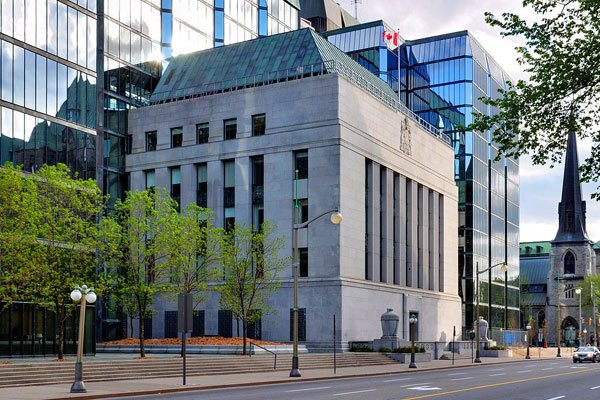
The Bank of Canada announced today that it will maintain its overnight interest rate at 2.25%, choosing stability as inflation pressures and economic uncertainty continue to influence the outlook.
Inflation Pressures Increase
Inflation, which had previously been below the central bank’s 2% target, rose to 2.4% in March. A significant factor behind this increase has been rising energy prices linked to geopolitical tensions, including the conflict involving the United States, Israel, and Iran, which disrupted oil supply routes and increased fuel costs.
According to the Bank of Canada, inflation is expected to rise further to approximately 3% in April. However, if oil prices ease as anticipated, inflation is forecast to return to the 2% target early next year and remain stable thereafter.
Economic Growth Remains Uneven
At the same time, the broader economy continues to show signs of weakness. Canada’s unemployment rate held at 6.7% in March, and the country lost approximately 109,000 jobs during January and February. Economic growth has also been inconsistent, with quarterly GDP fluctuating between positive and negative growth throughout 2025.
These mixed signals—rising inflation alongside economic softness—have made interest rate decisions more complex for policymakers.
Market Expectations and Future Outlook
Most fixed-income investors had anticipated the decision to hold rates steady. However, since geopolitical tensions escalated in the Middle East, expectations for 2026 have shifted. Earlier predictions suggested the possibility of interest rate cuts, but current forecasts now indicate a growing likelihood of a rate increase before the end of the year.
The Bank of Canada emphasized that it is closely monitoring global events, including geopolitical conflicts and trade uncertainties, particularly related to U.S. tariffs. While policymakers are prepared to look beyond short-term inflation spikes caused by energy costs, they remain committed to preventing long-term inflation from rising above target levels.
What This Means for Borrowers and Homeowners
For homeowners and buyers, today’s decision signals short-term stability in mortgage rates, especially for variable-rate borrowers. However, with inflation expected to rise in the near term and the potential for rate increases later in the year, borrowers should remain prepared for possible changes in borrowing costs.
Those considering buying, refinancing, or renewing a mortgage may benefit from reviewing their options early and staying informed as economic conditions evolve.
Bank of Canada, Bank of Canada Benchmark Rate, Canada Living, Mortgage Consumers