
Ontario looks to pause affordable housing requirements near transit hubs in Toronto, Mississauga, Kitchener
1/15/2026
| SHARE
Posted in Ontario News by Vanguard Realty | Back to Main Blog Page
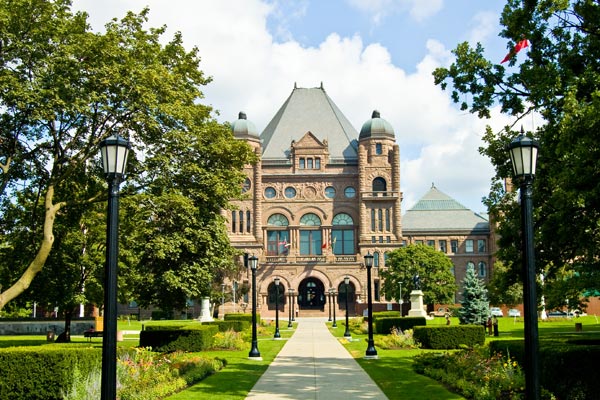
Doug Ford's government is looking to pause affordable housing requirements for new residential developments near transit hubs in Toronto, Mississauga and Kitchener, saying they are deterring construction during a housing crisis.
The proposed amendment would pause inclusionary zoning in the three Ontario cities where it exists until July 2027. The planning tool lets cities compel developers to rent a portion of units below market value — at 30 per cent of the household's gross income — in new builds near major transit stations.
The proposal comes as Ontario has fallen behind its goal of building 1.5 million new homes across the province over 10 years, prompting Municipal Affairs and Housing Minister Rob Flack to say last year it was now a "soft" target.
The provincial government believes the change will make housing projects more viable under current market conditions, a spokesperson for Municipal Affairs and Housing Minister Rob Flack said in an email Wednesday.
“We need to get more shovels in the ground to build homes for families across the province,” said Michael Minzak. “Now is not the time to be adding unnecessary red tape and requirements that only increase the cost of building a home.”
In 2025, Toronto received an F grade after housing starts in the city decreased by 40 per cent, according to a report by the Residential Construction Council of Ontario. The city’s condo market also weakened last year, with some comparing it to the crash of the early 1990s.
In its proposal, the province also noted significant increases to the cost of financing and construction in recent years. The province said it’s heard from industry stakeholders that affordable housing requirements, particularly in Toronto, could result in the pause or cancellation of projects.
Pause would be 'serious failure,' NDP says
But the Official Opposition pushed back Wednesday, saying the Progressive Conservative government would be blocking at least 3,000 affordable homes from being built each year in Toronto alone.
“In a housing crisis this severe, that’s a serious failure,” said NDP finance critic Jessica Bell in a statement. “Toronto’s inclusionary zoning rules simply ask developers to include some affordable homes in large new condo and purpose-built rental buildings.”
She said she’s worried the Ford government is never going to approve “strong" inclusionary zoning rules.
Mississauga Mayor Carolyn Parrish said she was disappointed in the way the province is moving. She said the municipality's housing task force met with the city's top developers about inclusionary zoning and "they weren't fighting back."
"They were OK with it. None of them were ever thrilled, but that wasn't a massive objection," she said. "I can understand that the developers are really in a tight spot right now. We're in a housing crisis. But so are the people who need the affordable housing."

But housing advocate Mark Richardson said the way inclusionary zoning exists in Ontario is "a marginal solution" to the housing crisis.
Inclusionary zoning was first passed by Toronto city council in 2021, though it didn’t come into effect until last year due to provincial delays. And that was after the province tweaked the policy to cap affordability requirements to five per cent of units in applicable new builds, while limiting the period those units would have to rent below market value to 25 years.
Richardson said the province could replace the policy by offering affordable housing itself on provincial lands around transit stations.
“We need to deliver affordable housing at speed and at scale, and you’re not going to do it through inclusionary zoning," said Richardson, the founder of HousingNowTO. "You’re only going to do it through direct investment from all three levels of government.”
Richard Lyall, president of the Residential Construction Council of Ontario (RESCON), said he would like to see inclusionary zoning eliminated entirely.
"[Governments] look for these things that look good on paper, like inclusionary zoning policies, but they don't really work. They have a chilling effect on investment," he said.
Source: CBC
Ontario Living, Ontario Real Estate News

Thinking of buying or selling a property, or have a question regarding the real estate market? Fill out the form below and we'll get back to you promptly.