5/1/2026
| SHARE
Posted in Canadian Economy and Housing Market by Vanguard Realty | Back to Main Blog Page
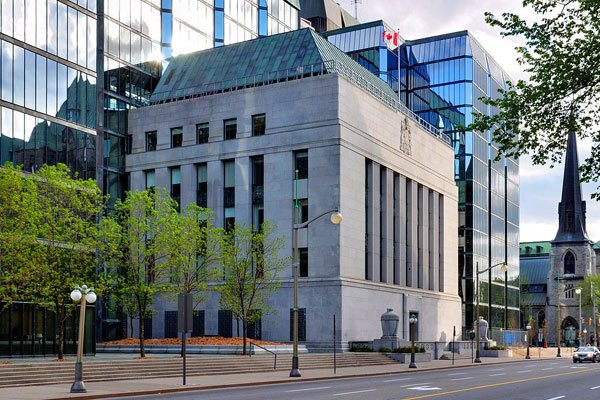
The Bank of Canada has maintained its policy rate at 2.25%, while its April Monetary Policy Report highlights growing pressure on the economy from weak housing conditions, global uncertainty, and geopolitical risks.
Residential real estate, once a major growth driver, is now viewed as a net drag on economic activity amid tariffs, trade uncertainty, and ongoing instability in the Middle East.
Residential Investment Under Pressure
The Bank expects residential investment to remain subdued throughout the forecast horizon, citing multiple structural constraints.
Housing demand is being limited by slow population growth, stretched affordability, and weaker investor participation, all of which are weighing on overall market activity.
A significant concern is the growing inventory of unsold small condominium units in major cities, which is expected to restrict new development and reduce construction appetite across the sector.
Toronto Condo Market Faces Historic Slowdown
The Greater Toronto Hamilton Area condo market continues to show significant weakness.
In Q1 2026, just 246 new condo units were sold, representing a 35-year low and a 52% decline year-over-year. No new condo projects were launched during the quarter, marking an unprecedented pause in new supply.
Over the past several years, rising completions combined with weaker demand have led to persistent oversupply conditions.
Industry participants also point to financing friction as a key challenge. According to mortgage industry insiders, appraisal gaps are discouraging buyers from the segment.
Global Risks Complicate Mortgage Rate Outlook
The Bank continues to navigate a complex global environment.
US tariffs and uncertainty around the future of CUSMA are expected to remain in place, continuing to weigh on business investment and trade activity.
At the same time, geopolitical tensions in the Middle East are pushing oil prices higher in the near term, temporarily lifting inflation before it gradually moderates.
Higher energy prices create mixed effects - supporting export revenues but reducing household purchasing power through increased fuel costs.
Inflation Path and Potential Rate Pressure Ahead
Inflation is expected to rise temporarily to around 3% before easing back toward the 2% target by 2027.
The Bank estimates that higher input costs will add approximately 0.3 percentage points to CPI inflation in 2026, with price growth stabilizing thereafter.
However, policymakers caution that if oil prices remain elevated and broader inflation pressures intensify, the Bank of Canada may be forced to resume rate increases, which would raise borrowing costs across both variable and fixed mortgage products.
Bank of Canada, Bank of Canada Benchmark Rate, Condo Buyers, Condo Market, Condo Owners, Condo Prices Toronto, Condo Sales Toronto, GTA Condo Market, New Condos, Preconstruction Condo Sales, Toronto Condo Market